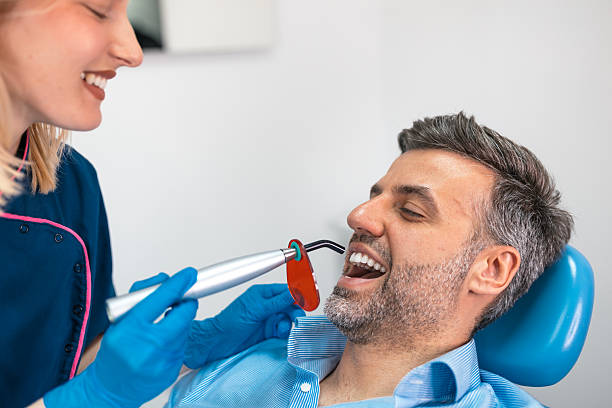
During a composite bonding appointment, your cosmetic dentist applies tooth-colored resin to selected areas of a tooth, then shapes, hardens, and polishes it. The goal is to improve the tooth’s appearance or restore a minor defect. Many straightforward composite bonding cases in Alexandria are finished in one visit. Treatment time still depends on how many teeth are involved, how much preparation they need, and the complexity of the case.
Additive bonding often removes little healthy tooth structure, though preparation and numbing needs vary. This guide walks through each stage of teeth bonding in Alexandria, from the first exam to the final polish and aftercare. Knowing each step ahead of time can make your Alexandria cosmetic dentistry visit feel more predictable.
What Happens During a Composite Bonding Appointment?
A composite bonding appointment follows eight stages, from evaluation through polishing. The table below shows the full sequence at a glance.
| Stage | What Happens | Main Purpose |
|---|---|---|
| 1. Evaluation | Dentist examines teeth and discusses goals | Determine suitability |
| 2. Shade Selection | Composite color is selected | Match natural teeth |
| 3. Preparation | Tooth is cleaned and prepared as needed | Create an appropriate bonding surface |
| 4. Conditioning and Adhesive | Surface and bonding system are prepared | Promote adhesion |
| 5. Composite Placement | Resin is applied and shaped | Create the desired contour |
| 6. Light Curing | Resin is hardened | Polymerize the material |
| 7. Finishing | Shape and bite are checked | Refine appearance and function |
| 8. Polishing | Restoration is smoothed | Create a natural finish |
Exact steps can differ based on the adhesive system, the composite material, and the reason for treatment.
Composite Bonding Usually Follows a Planned Sequence of Steps
Each stage sets up the next. Preparation and adhesion help the resin stay attached, and careful placement creates the new shape. Finishing then makes sure the restoration looks natural and works with your bite and neighboring teeth.
The Appointment May Be Different for One Tooth Versus Several Teeth
Repairing a small chip on one tooth is a simpler visit than reshaping several front teeth. Complexity grows with the number of surfaces, the size of the contour changes, and whether old restorations or bite concerns need attention.
The Procedure Is Customized to the Tooth’s Condition
A healthy tooth receiving an additive cosmetic change may need almost no preparation, since the resin is built onto intact enamel. A chipped tooth may need rough edges smoothed so the composite blends in. A tooth with decay needs that problem treated before any cosmetic work. Bonding appointments do not all follow the same clinical protocol.
Step 1: The Dentist Examines Your Teeth and Discusses Your Smile Goals
Before any composite is placed, a cosmetic dentist in Alexandria, VA, confirms that bonding is the right fit. Your composite bonding consultation in Alexandria starts with what bothers you, then compares it with what the exam shows. Together, those findings set the treatment goal and show whether you are a good candidate for bonding.
Reviewing the Cosmetic Concern You Want to Improve
Most patients come in with a specific concern, such as a chipped edge, a small gap, an irregular tooth shape, or a small surface flaw. If a chip is your main concern, our guide to composite bonding for chipped front teeth explains that treatment in more detail.
Checking Tooth Health, Enamel, and Existing Restorations
The dentist checks for decay, cracks, enamel condition, gum health, and existing dental work. Untreated decay, gum disease, or structural problems usually need attention before elective cosmetic bonding.
Evaluating Bite Forces and Tooth Position
Your bite matters most when bonding changes the length or shape of a biting edge. That edge will meet new biting forces, and composite can chip if the bite is not planned for. Teeth grinding (bruxism) or heavy contact on a tooth does not automatically rule out bonding. It may change how the restoration is designed or protected.
Determining Whether Bonding or Another Treatment Is More Appropriate
Bonding may not be the best choice if a tooth needs orthodontic movement, more extensive structural repair, or a different treatment altogether. Some patients compare composite bonding vs veneers before choosing a treatment.
Step 2: Selecting a Composite Resin Shade That Matches Your Teeth
Shade selection usually happens early, before the tooth is isolated and dried. Teeth can look temporarily lighter as they dry out, which could lead to a mismatched shade.
Choosing a Shade That Blends With Neighboring Teeth
Dentists may use shade guides, careful observation under good lighting, and other tools to compare options. The goal is to match your existing teeth, not to pick the brightest shade available.
Considering Translucency and Natural Tooth Color Variation
Natural front teeth are often more opaque near the gumline and more translucent near the biting edge. Some restorations use more than one composite shade or layer to mimic that variation.
Why Teeth Whitening May Need to Happen Before Bonding
Composite resin does not respond to whitening the way natural enamel does, so it will not lighten along with your teeth. If you plan to whiten, your dentist may suggest finishing whitening first and letting the shade settle before choosing a composite color. Our article on how dentists color-match composite bonding covers shade selection in more depth.
Step 3: Preparing the Tooth Surface for Composite Bonding
Tooth preparation is not a fixed amount of drilling. It depends on whether the treatment adds material to a healthy tooth, whether old material needs removal, and whether there is decay or damage.
Cleaning the Tooth Before Applying Composite Resin
The dentist first cleans the bonding area. Removing plaque, debris, and surface film gives the adhesive a clean surface to grip.
Does Composite Bonding Require Drilling or Enamel Removal?
Sometimes, but often very little. Some additive cosmetic cases need little or no removal of healthy enamel. Others need selective shaping to make room for resin or smooth a rough edge. Removing decay or repairing damaged structure is a separate step, and the exam shows in advance whether you need it.
Keeping the Tooth Dry During the Bonding Procedure
Adhesives bond poorly to wet or saliva-covered surfaces. Depending on the case, the dentist may use cotton rolls, suction, an isolation device, or a dental dam to keep the area dry.
When Local Anesthesia May Be Necessary
Simple additive bonding on intact enamel often does not require numbing. Local anesthesia may be appropriate when preparation reaches sensitive areas or involves additional restorative work. Comfort varies from person to person, so tell your dentist if you feel sensitivity.
Step 4: Etching and Applying the Dental Bonding Adhesive
Many patients hear the terms etching, primer, and bonding agent for the first time in the dental chair. Together, these surface treatments help the composite attach to your tooth. The exact system varies by product and case.
What Is Tooth Etching in Composite Bonding?
Etching is a controlled surface-conditioning step used in many bonding procedures, especially on enamel. An acid gel creates a microscopically textured surface that the resin can lock into. The gel is then rinsed away before the next step.
How Dental Adhesives Help Composite Attach to Enamel and Dentin
The bonding agent is a thin resin that flows into the conditioned surface and links the tooth to the composite. When a primer is used, it helps the adhesive soak into the tooth, especially on dentin. Because enamel is highly mineralized and dentin holds more moisture, adhesive systems are designed to handle each surface differently. Some systems combine etching, priming, and bonding into fewer steps.
Why Moisture Control Matters During Adhesive Application
Saliva or blood on the surface can keep the adhesive from bonding properly. That is why careful isolation in Step 3 directly affects how reliable the final restoration is.
Step 5: Applying and Shaping the Composite Resin
Composite resin bonding is a direct technique, so the dentist sculpts the material right on your tooth instead of sending it to a lab. In front tooth bonding especially, small changes in shape make a visible difference.
Placing Composite Resin on the Prepared Tooth
The dentist applies tooth-colored composite directly to the bonding area. Depending on the restoration, it may be placed in small increments or with another suitable technique. Not every case is layered the same way.
Building the Tooth’s Shape With Composite Material
While the resin is still soft, the dentist sculpts it with fine instruments. Cosmetic dental bonding can restore a missing edge, refine a contour, or add visible width or length. Each change is planned around how the tooth relates to its neighbors.
Creating Natural Contours and Contact Points
A bonded tooth has to look right and work in daily life. The dentist shapes the composite with attention to:
- Tooth width and length, so proportions look natural
- How it lines up with adjacent teeth
- Contact points, so food does not get trapped between teeth
- Room for floss to pass through
- Surface contours that reflect light naturally
- How your upper and lower teeth meet, so your bite stays comfortable
Getting these details right helps the restoration feel natural and stay easy to clean.
Using Multiple Composite Shades When Needed
Some cosmetic cases use different resin shades or translucencies in separate layers. This can help mimic the natural color shift from the gumline to the biting edge described in Step 2.
Step 6: Hardening the Composite Resin With a Dental Curing Light
Many bonding composites are light-sensitive. When the dentist shines an appropriate curing light on the material, a chemical reaction called polymerization hardens it. The dentist follows each material’s curing requirements so it sets properly.
What Does the Blue Dental Light Do?
The blue light shines at a wavelength that activates ingredients called photoinitiators inside the composite. These start the hardening reaction. Although the handheld light glows brightly, a standard curing light is not a laser.
Why Composite May Be Cured in Separate Sections
When composite is placed in increments, each section may be cured before the next one goes on. This gives the dentist more control over shape and helps the material harden thoroughly. Smaller restorations may not need this approach.
Is Composite Bonding Hard Immediately After Curing?
Yes, properly cured composite is hard enough for the dentist to keep shaping and polishing during the same visit. Your bite still needs to be checked, and aftercare still matters.
Step 7: Contouring the Bonding and Checking Your Bite
Shaping continues after the resin hardens. The dentist now refines the restoration so it fits your tooth anatomy and the way your teeth meet.
Refining the Shape of the Bonded Tooth
The dentist removes excess material, refines the edges, and smooths the transition between composite and natural enamel. The goal is a restoration that blends in without a visible ledge.
Checking How Upper and Lower Teeth Contact
You may be asked to bite down, tap, or slide your jaw side to side. Marking paper can show where teeth touch, so the dentist can adjust high spots that could cause discomfort or stress the new bonding.
Making Sure the Restoration Does Not Feel Bulky
Your tongue will notice even small changes, so the dentist checks that the bonding feels smooth and natural. Floss should pass easily, with no rough or overbuilt areas.
Step 8: Polishing Composite Bonding for a Natural-Looking Finish
Polishing is the final step, and it serves more than looks. Surface texture affects how the bonding reflects light, how it feels, and how easily it collects plaque or stains.
Smoothing the Surface of the Composite Restoration
The dentist uses a series of finishing and polishing instruments, moving from coarser to finer textures.
Creating a Gloss That Resembles Natural Enamel
A well-polished surface reflects light much like natural enamel. That shine helps the bonding blend with the teeth beside it.
Why Finishing Quality Matters for Long-Term Appearance
Smooth surfaces are easier to clean and tend to hold less surface discoloration than rough ones. Polished composite can still pick up stains, and our guide to composite bonding staining explains how to limit them.
How Long Does a Composite Bonding Appointment Take?
There is no single appointment length. Many limited cosmetic bonding procedures fit into one visit. Timing depends on the number of teeth, the complexity, the preparation required, and whether other dental work is needed.
Bonding One Tooth May Take Less Time Than Reshaping Several Teeth
A small correction on one tooth involves fewer surfaces to shape and polish. Reshaping several front teeth means matching each one to the others, which takes more chair time.
Complex Cosmetic Cases May Need Additional Planning
Broader smile design, existing dental problems, or staged treatment may call for more than one appointment. Your dentist will explain the plan before treatment begins.
Can Composite Bonding Be Completed in One Visit?
Often, yes. Many straightforward direct bonding procedures are completed in one visit, though this is not guaranteed for every case.
Does Composite Bonding Hurt, and What Does It Feel Like?
Many patients tolerate straightforward additive bonding well, especially when little tooth preparation is needed. Sensitivity and comfort still vary with the procedure and the individual.
Is Composite Bonding Usually Painful?
Usually not. Surface-level cosmetic bonding on intact enamel often involves little discomfort. Some patients notice brief sensitivity during preparation or finishing.
Will I Need Numbing Injections?
Not always. Uncomplicated additive bonding often does not require local anesthesia, but your dentist may recommend it when preparation or other treatment makes it appropriate.
Can Teeth Feel Sensitive After Bonding?
Temporary sensitivity can happen, particularly after preparation or if dentin has been exposed. If pain lasts, gets worse, or your bite feels off, contact Braddock Dental so the team can check the restoration.
What Should You Expect Immediately After Composite Bonding?
You can usually go about your day right after the appointment. A few simple habits help protect the new bonding.
Can You Eat and Drink After Composite Bonding?
Because light-cured composite hardens during treatment, most patients can eat normally once any numbness wears off. Avoid chewing while numb, and follow any specific instructions your dentist gives.
What Should You Avoid Biting With Newly Bonded Teeth?
Composite is strong, but concentrated force can chip it, especially on front teeth. Try to avoid:
- Biting ice, hard candy, pens, or fingernails
- Using your teeth to open packages or bottles
- Biting directly into very hard foods with bonded front teeth
How Should You Clean Bonded Teeth?
Keep brushing twice a day, flossing daily, and visiting your dentist for routine care. Bonding covers only part of a tooth, so the natural tooth underneath still needs protection from decay and gum disease.
When Should You Contact the Dentist After Bonding?
Call your dentist if you notice persistent bite interference, a sharp edge, significant sensitivity, or a chip in the bonding. A quick evaluation can show whether an adjustment is needed.
How Do You Know Whether Composite Bonding Is Right for Your Smile?
Understanding the steps makes the candidacy question easier. Bonding works best when the concern is limited, the tooth is healthy, and the bite can support the result.
Minor Cosmetic Concerns May Be Suitable for Additive Bonding
Small contour changes, minor chips, and limited cosmetic imperfections are common reasons for bonding. Patients with small spaces between teeth can learn more about composite bonding for gaps.
Significant Damage or Bite Problems May Require Another Approach
Extensive decay, large fractures, severe misalignment, or heavy bite forces may change the recommendation. In those cases, a crown, veneer, orthodontic treatment, or a staged plan may be more appropriate.
A Cosmetic Consultation Helps Set Realistic Expectations
A consultation should clarify your goals, the likely steps, the limits of bonding, expected maintenance, and fees. Browsing the Braddock Dental smile gallery can also help you picture realistic results.
Frequently Asked Questions About the Composite Bonding Procedure
What happens during a composite bonding appointment?
After an exam, the dentist prepares the tooth and applies an adhesive. Composite is then placed, light-cured, shaped, and polished.
Do dentists shave your teeth before composite bonding?
Sometimes, but usually very little. Preparation depends on the tooth, and additive cases often preserve healthy enamel.
Does composite bonding require anesthesia?
Not always. Simple additive cases often need no numbing, but more involved treatment may.
What is etching during dental bonding?
It is a surface-conditioning step that creates a microscopic texture so the adhesive can bond to the tooth.
What does the blue light do during composite bonding?
It activates photoinitiators in the composite, which trigger polymerization and harden the resin.
How long does composite bonding take?
It depends on the case, especially the number of teeth and the complexity of treatment.
Can you eat after composite bonding?
Yes, generally, since the composite is cured during treatment. Wait until any numbness wears off and follow your dentist’s instructions.
Can composite bonding be done in one appointment?
Often, yes, for straightforward direct bonding, though complex cases may need more visits.
Composite Bonding Appointments at Braddock Dental in Alexandria, VA
At Braddock Dental in Alexandria, your visit starts with a conversation about what you want to change. As a cosmetic dentist in Alexandria, VA, Dr. Geoffrey Caligan evaluates your tooth health and bite. He explains whether bonding is suitable, what the appointment will involve, and how to care for the bonding afterward.
If you are considering composite bonding in Alexandria, VA, you can expect an individualized plan built around your teeth. Bonding is one part of the practice’s approach to cosmetic dentistry in Alexandria.
Schedule Your Composite Bonding Consultation in Alexandria, VA
Are you considering dental bonding in Alexandria, VA, for a small chip, an uneven tooth, or a more balanced smile? An exam will show whether bonding fits your teeth and what your composite bonding appointment may involve. It also shows how the restoration can be designed to complement your natural smile. Schedule your composite bonding consultation with Braddock Dental to get started.
